
Being a dad in this day and age is pretty amazing. We get to witness the magic of our children growing, explore their interests, and hopefully, guide them towards becoming happy, well-rounded individuals. But let’s face it, dads haven’t always had the best reputation when it comes to expressing emotions. The whole “boys don’t cry” thing? It’s a stereotype that’s not only outdated, but downright harmful. This concept feeds into what we call toxic masculinity, and as dads, it’s something we need to challenge, for ourselves, our kids, and for society as a whole.
As a father of three (two girls and a boy!), raising them in this ever-connected world has its challenges. One of the biggest, I reckon, is the pressure kids face around gender stereotypes. Something Ive wanted to address for a while but haven’t got around to it, and how it impacts our kids, our society, and even us dads.
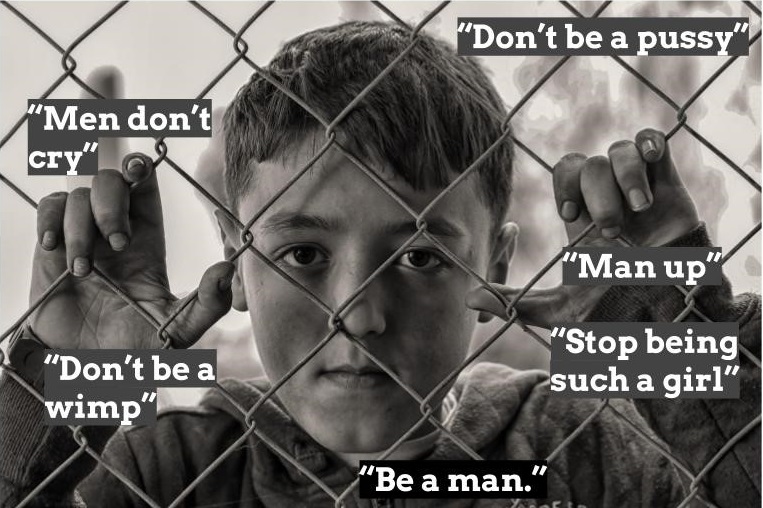
Now, I’m no expert, but having a son definitely puts things into perspective. We all know the drill – boys don’t cry, they gotta be tough, emotions are a sign of weakness. This whole idea of what it means to “be a man” can be pretty suffocating, isn’t it?
But here’s the thing: toxic masculinity isn’t good for anyone. It puts pressure on men and boys to conform to a rigid idea of masculinity, often leading to emotional suppression, risky behaviour, and even violence. I believe its important to challenge these stereotypes, for the sake of our kids and ourselves.
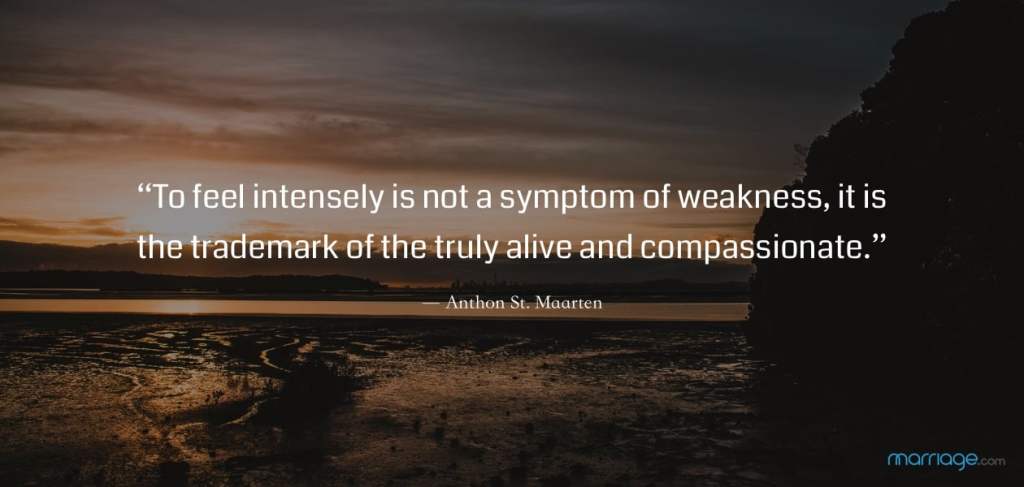
What is Toxic Masculinity?
So what exactly Toxic Masculinity ? Imagine masculinity as a spectrum. On one end, we have positive traits like courage, strength, and leadership. On the other end lies the toxic side – the pressure to be emotionless, aggressive, and dominant at all costs. This can manifest in various ways:
- Suppressing emotions: Boys are discouraged from expressing sadness, vulnerability, or fear. Phrases like “boys don’t cry” shut down healthy emotional development.
- Aggression is okay: Violence and anger are seen as acceptable outlets for emotions. This can lead to bullying, risky behaviour, and even violence.
- The “provider” stereotype: Men are expected to be the sole breadwinners, neglecting the importance of emotional support and shared responsibility within families.
- Homophobia and sexism: Toxic masculinity often reinforces prejudice against anything seen as “feminine,” including LGBTQ+ identities.
Toxic masculinity isn’t about being masculine. It’s about the pressure to conform to a very narrow definition of what a man “should” be: tough, emotionless, aggressive, the provider, the protector. This pressure can manifest in many ways, from bullying and violence to suppressing emotions and feelings of vulnerability. Self-stigmatising is also a big problem.
For those unfamiliar with the term, toxic masculinity describes the pressure on men to conform to a narrow definition of masculinity. This often involves suppressing emotions.
Here’s the thing: this isn’t healthy for anyone. Not men, not women, not even society as a whole. So, let’s unpack why toxic masculinity is a problem, how it affects our kids, and the role social media plays in all of it.
The Impact on Our Kids
Think about the constant barrage of messages kids get – from movies to social media – about how men should behave. This relentless pressure to conform to a narrow definition of masculinity can have serious consequences:
- Mental health issues: Bottling up emotions can lead to anxiety, depression, and even suicidal ideation.
- Relationship problems: Difficulty expressing emotions can make it hard for boys to form healthy, open relationships.
- Substance abuse: Turning to alcohol or drugs can be a way to cope with the pressure to be tough.
- Violence: When emotions are bottled up, they can erupt in unhealthy ways, leading to aggression and violence.
Breaking the Cycle
So, what can we do? Here are a few tips for dads who want to challenge toxic masculinity and raise healthy, emotionally intelligent kids:
- Lead by Example: This is the big one. Show your kids that it’s okay for men to have a full range of emotions. Don’t shy away from expressing sadness, vulnerability, even fear. Talk about your feelings openly and honestly.
- Embrace Open Communication: Create a safe space where your kids feel comfortable talking about anything, including their emotions. Listen without judgement and validate their feelings.
- Challenge Stereotypes: Point out the limitations of the “tough guy” image in movies, TV shows, and even video games. Talk about the importance of empathy, compassion, and healthy relationships.
- Expand Horizons: Encourage your kids, both boys and girls, to explore a wide range of activities and interests. Don’t limit them based on outdated gender roles.
- Promote Positive Role Models: Seek out movies, books, and TV shows that feature healthy portrayals of masculinity. There are plenty out there!
The Social Media Vortex
Social media can be a double-edged sword for kids (and adults, for that matter). On the one hand, it offers a platform for connection and self-expression. But it can also amplify toxic masculinity messages.
Here’s how:
- Curated portrayals: Social media feeds are often filled with images of “ideal” men – muscular, aggressive, and unemotional. This creates an unrealistic and unhealthy standard for young boys to live up to.
- Cyberbullying: The anonymity of online spaces can embolden bullies who reinforce toxic masculinity by shaming boys who don’t conform.
- Echo chambers: Algorithms can create echo chambers where boys are only exposed to content that reinforces traditional masculinity. This limits their understanding of what it means to be a man.
Breaking Free from the Box
So, what can we do? Here are some ways we can challenge toxic masculinity and raise healthier, happier kids:
- Open communication: Talk to your kids about emotions – all of them. Let them know it’s okay to feel sad, scared, or vulnerable.
- Expand their horizons: Encourage your children to explore a variety of interests, regardless of gender stereotypes.
- Be a role model: Show your kids that it’s okay for men to express their emotions, be vulnerable, and ask for help. This is especially important for fathers, as they set a powerful example for their sons.
It’s Okay for Dads to Cry
Look, I get it. I’m a man in my 40s, raised in a time when some of these messages were even stronger. But here’s the thing: I cry sometimes. I get scared sometimes. And that’s okay.
By showing our kids that it’s okay to be vulnerable, we’re not showing weakness – we’re showing strength. We’re showing them that it’s okay to be human, in all our messy, emotional glory.
Let’s break free from this rigid box of toxic masculinity and raise a generation of men who are comfortable in their own skin.
This might sound cheesy, but the most important thing is to be yourself. Show your kids that it’s okay to be vulnerable, to cry, to express your full range of emotions. Let them know that strength comes in many forms, and emotional intelligence is a sign of true strength.
Being a dad is about so much more than being a “tough guy.” It’
It’s a Team Effort
Remember, dads can’t do this alone. Talk to your partner about these issues and work together to create a nurturing and supportive environment for your children.
If you or someone you know needs mental health support in Ireland, here are some extra resources:
BodyWhys – the Eating Disorders Association of Ireland, is the national voluntary organisation supporting people affected by eating disorders.
Aware – Offers support, information, and education on depression, bipolar disorder, and related conditions. Visit their website: Aware
Pieta House – Provides free therapeutic services for those in suicidal distress or engaging in self-harm. Learn more: Pieta House
Samaritans – Offers a helpline for emotional support, available 24/7. Visit their website: Samaritans Ireland
Remember, reaching out for help is a sign of strength, and these organisations are here to support you.
Remember, recovery is possible. By seeking help and practicing self-compassion, you can break free from the mirror prison and learn to appreciate your body for the amazing things it can do.
The Takeaway
Toxic masculinity isn’t just a societal issue, it’s a mental health issue. By challenging these narrow definitions of masculinity, we can create a healthier environment for everyone – dads, sons, daughters, and society as a whole. Let’s raise a generation that embraces emotional intelligence, vulnerability, and the full spectrum of human experience. After all, isn’t that what being a good dad is all about?
Follow Keith on Social Media
Discover more from The Endless Spiral
Subscribe to get the latest posts sent to your email.
 The Endless Spiral
2 thoughts on “Challenging Toxic Masculinity for a Healthier Society”