
Let’s be honest: aiming to be the best version of yourself is an admirable goal, but it can feel god damn exhausting at times. Its not for the want of trying, but we aren’t always the perfect person and the sooner we accept that the sooner self growth can happen.
We scroll through social media seeing perfectly curated lives, listen to podcasts filled with inspirational stories, and maybe even have a therapist gently nudging us towards self-improvement. But then reality hits. We might upset or hurt our loved ones, let our emotions get the better of us and have moments where we question everything we do. Is there something wrong with me? Am I the problem? Am I a bad person? Can I do better? The answers aren’t always simple.
The Perfectionist Paradox
The “best version of yourself” narrative often gets tangled up with the idea of perfection. Here’s the truth: perfection doesn’t exist. We are all beautifully flawed works in progress. This relentless pursuit of flawlessness can lead to crippling self-criticism. We become fixated on our shortcomings, overlooking our strengths and progress. Suddenly, “doing our best” feels like a never-ending uphill battle, leaving us feeling defeated and discouraged. Trust me I’ve been there. I may even be back there now.
Playing the Blame Game: When Our Best Hurts Others
The messy reality of self-improvement can sometimes hurt the people we love. As we learn and grow, our boundaries and priorities might shift. This can lead to conflict with loved ones as we try to figure out the ‘new’ you from the ‘old’ you. We might have to set boundaries, say no more often, or even re-evaluate relationships in our lives. We won’t always get it right and we will continue to make mistakes, Its learning from these mistakes that’s important.
Learning From Mistakes
There will be missteps. We’ll make decisions we regret, say things we wish we could take back, and fall short of our own expectations. The key is learning from our mistakes and refusing to get stuck in the spiral of self-blame. Forgive yourself. Analyze what went wrong. And most importantly, know when to say “enough” to the negative self-talk.
Learning to Love Yourself First
Here’s a crucial truth: you can’t please everyone. There will always be someone who disapproves, disagrees, or simply doesn’t like you. Trying to contort yourself to fit everyone’s mold is a recipe for failure. Focus on building a strong foundation of self-love. Learn to appreciate your unique quirks and talents. When you prioritise self-acceptance, external validation becomes less important. Im working on practicing what I preach. Its not a flick of a switch and it might need you to take some backward steps but Im determined to move forward and not just move on.
Therapy Isn’t a Weakness, It’s a Strength
Sometimes, the path to self-improvement needs a little extra support. Therapy is not a sign of weakness – it’s a powerful tool for growth. A therapist can provide a safe space to explore your challenges, develop coping mechanisms, and cultivate healthier thought patterns. Think of it as investing in your mental well-being. Ask yourself, what do you want?
Embracing the Journey: It’s Not About the Destination
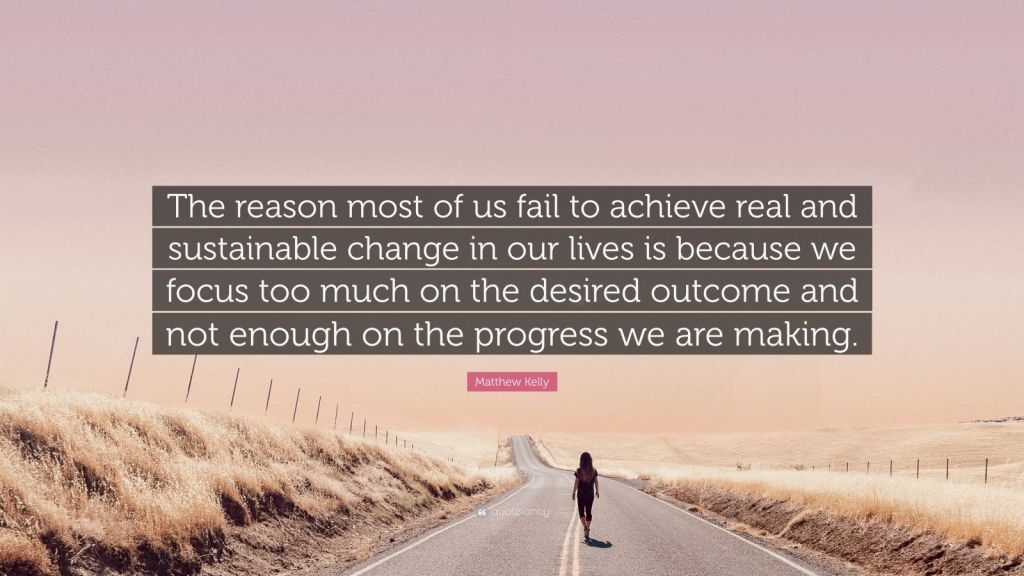
Remember, striving to be your best self is a lifelong journey, not a checklist to complete. There will be setbacks, detours, and unexpected twists. The true magic lies in the process of learning, adapting, and becoming more comfortable in your own skin. Celebrate your small victories, embrace the challenges, and remember: “I am not perfect” is a powerful self-affirmation, not a condemnation. So, take a deep breath, be kind to yourself, and keep moving forward. You’ve got this!
Follow Keith on Social Media
Discover more from The Endless Spiral
Subscribe to get the latest posts sent to your email.
 The Endless Spiral
One thought on “Practising What I Preach: Its Easier Said Than Done”