
Life has a funny way of throwing curveballs when we least expect them. Whether it’s dealing with an injury, the pressures of daily life, or the all-too-common trap of comparing ourselves to others on social media, it’s easy to feel overwhelmed. During these challenging times, many of us turn to food for comfort. However, binging on food and succumbing to emotional eating can lead to a cycle of guilt and self-criticism. In past few months I’ve had an injury which has hindered my exercising routine which in turn has had a knock-on effect on my mood and selfcare. My diet hasn’t been great and those dangerous thoughts of wanting to binge eat has been circling me like a hungry shark at feeding time. If the binging starts the purging could also start. Let’s not open up that pandoras box right now.
Understanding Emotional Binge Eating
Emotional eating is a common response to stress and low mood. It’s the practice of consuming large quantities of food, often junk food, in an attempt to manage emotions. That’s the explanation you’ll find on Google but for anyone who struggles with food you will know there is far more to emotional eating to just consuming large amounts of food.
When life gets stressful, whether due to a back injury, feeling anxious, or other life stresses, it’s easy to reach for comfort food. This type of eating isn’t about hunger; it’s about using food to cope with emotions. While it might provide a temporary sense of relief, it often leads to feelings of guilt and dissatisfaction with our bodies. You feel down, you want to eat to feel better, the guilt then begins, you want to purge the food up, you feel even worse, and the spiral starts all over again.
I have had the pleasure of chatting to Jo Moscalu who is the Binge Eating Dietitian on my podcast The Endless Spiral Podcast all about binge eating. You can catch up on the latest episode with Jo below.
Recognising Triggers and Patterns
Understanding what triggers your emotional eating is the first step toward breaking the cycle. Life stresses, social media comparisons, and physical discomfort can all be significant triggers. And, of course childhood trauma comes into effect but that’s a whole different blog post.
For me at the moment, having an injury limited my physical activity, leading to frustration and a low mood. When I can’t exercise my mood drops, then the urges to binge eat begins. Recognising these patterns can help you address the root cause of your emotional eating rather than just the symptoms.
Food Isn’t the Answer: Finding Alternatives
When we’re feeling down, it’s crucial to remember that food isn’t the answer. Instead of reaching for junk food, try to find healthier ways to manage your emotions. As a man I know only to well that asking for support or reassurances when it comes to food or your body image can feel overwhelming and a sense of vulnerability can be quite scary.
Try engage in activities that bring you joy and relaxation. Whether it’s reading a book, taking a walk, or practicing a hobby, these activities can provide a much-needed distraction and lift your mood. Exercise, even gentle forms like yoga or stretching, can also help improve your mood and reduce anxiety, especially if you have an injury and can’t do anything rigorous.
Loving Your Body: Practicing Self-Compassion
Loving your body, especially when you’re not feeling your best, can be challenging. It’s easy to fall into the trap of pulling at my clothes and feeling uncomfortable in them. This discomfort can be amplified by the unrealistic body standards often portrayed on social media.
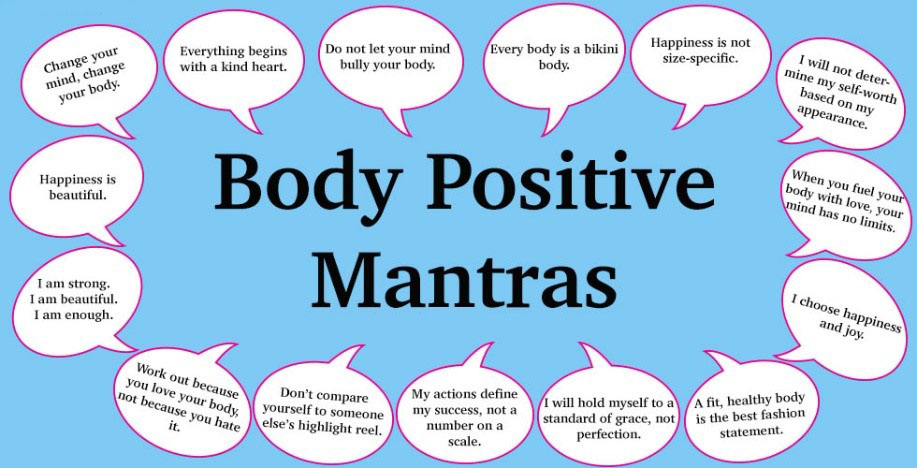
Instead of comparing yourself to others, focus on self-compassion. Remind yourself that it’s okay to have off days and that your worth isn’t defined by your appearance. Saying affirmations can be a powerful tool. Phrases like “I am enough,” “My body is strong,” and “I am beautiful just the way I am” can help shift your mindset towards positivity.
Dealing with Low Moods: Staying Positive
Low moods are inevitable. However, there are ways to stay positive and prevent these feelings from spiraling into something more serious.
Start by acknowledging your feelings without judgment. It’s okay to feel sad, anxious, or frustrated. Once you accept your emotions, it becomes easier to manage them. Practicing mindfulness and meditation can also help. These techniques encourage you to stay present and focused, reducing the impact of negative thoughts. This falls into the category and links back to my previous blog of am I practising what I preach ? I’m trying to but it’s not always that simple.
Dressing for Comfort and Confidence
When you’re feeling low and your clothes don’t feel good on you, it can be tempting to hide away. However, dressing in a way that makes you feel comfortable and confident can significantly impact your mood.
Choose clothes that fit well and make you feel good. It’s not about size or trends; it’s about finding what works for you. When you’re comfortable in your clothes, you’re more likely to feel confident and positive about your body.
Avoiding Social Media Comparisons
Social media can be a double-edged sword. On one hand, it connects us with others and provides a platform for body positivity content. On the other hand, it can lead to unhealthy comparisons and feelings of inadequacy.
If you’re not loving your body right now, it’s okay to take a break from posting body positivity content. Focus on your journey and what makes you feel good. Remember, social media is a highlight reel, and it’s not a true reflection of reality. I haven’t been posting body-positivity content lately because I didn’t feel it was authentic as I’m not ‘loving’ my own body right now.
Practical Tips for Staying Positive
Here are some practical tips to help you stay positive and avoid emotional eating during tough times:
1. Set Realistic Goals: Focus on small, achievable goals rather than overwhelming yourself with big changes.
2. Seek Support: Talk to friends, family, or a therapist about your feelings. Sometimes, sharing can provide relief and perspective.
3. Practice Self-Care: Engage in activities that nurture your mind and body. This could be anything from a relaxing bath to a hobby you enjoy.
4. Stay Active: Gentle exercise can improve your mood and help manage anxiety, especially if you have an injury. Always consult with a professional before starting any new exercise regimen.
5. Eat Mindfully: Pay attention to what you eat and how it makes you feel. Choose nourishing foods that support your well-being.
It’s important to remember that you’re not alone, and it’s okay to seek help and take things one step at a time. By understanding your triggers, practicing self-compassion, and finding healthy coping mechanisms, you can avoid binging on food and stay positive about your body. Embrace your body, celebrate your progress, and remember that you are enough just as you are.
Follow Keith on Social Media
Discover more from The Endless Spiral
Subscribe to get the latest posts sent to your email.
 The Endless Spiral