

Asking for Help Isn’t About Bravery
When people talk about mental health, we often hear words like “bravery,” “courage,” or “strength.” And while those words can be empowering, they can also feel like a heavy load. What if you don’t feel strong? What if you’re scared, confused, or ashamed? Here’s the truth: you don’t have to feel brave to ask for help. You just need to speak to someone you trust, or even just take that first step toward doing so.
Support isn’t reserved for the fearless. It’s for everyone, no matter how strong or broken you feel in the moment. Bravery might come later, but the most important part is reaching out whether you feel brave or not.
People often say to me, Keith, you are so brave. And, although those words come from a good place they can often feel a little patronising. I dont other to feel they have to be brave to ask for help or to even share whats on their mind.
It Doesn’t Matter If You’re a Man or a Woman
Mental health doesn’t care about gender, but sadly, stigma often does. Men, especially, are taught from a young age to “man up,” stay tough, and suppress emotion. Women, too, can be made to feel like they should hold it all together, especially when they’re expected to be caretakers or the “strong one” in the family.
But support has no gender. Whether you’re a man struggling with body dysmorphia or a woman drowning in anxiety, reaching out doesn’t make you weak. It makes you human. Your experience matters, and your voice deserves to be heard.
I recently wrote a blog about Toxic Masculinity here

Waiting to “Feel Ready” Can Delay Healing
A lot of people wait until they feel brave enough, confident enough, or sick enough to seek help. But what if that feeling never comes? That’s why it’s okay to ask for help even when you’re unsure. Reaching out can feel terrifying, but taking that small action often brings the relief and clarity you’ve been searching for.
Sometimes, the most important step in your healing starts not when you feel strong, but when you feel like you can’t go on the way things are.
Support Starts With One Conversation
You don’t have to tell the world. Writing a blog, recording a podcast or appearing in the media isnt for everyone. You don’t even need to have the “perfect words.”
Start small: talk to a friend, a family member, or a colleague you trust. Say something as simple as, “I’ve been having a hard time lately” or “I think I need some help.”
That one conversation can open the door to understanding, validation, and eventually, healing. You’re not alone. People want to help, but they can’t if they don’t know you’re struggling.
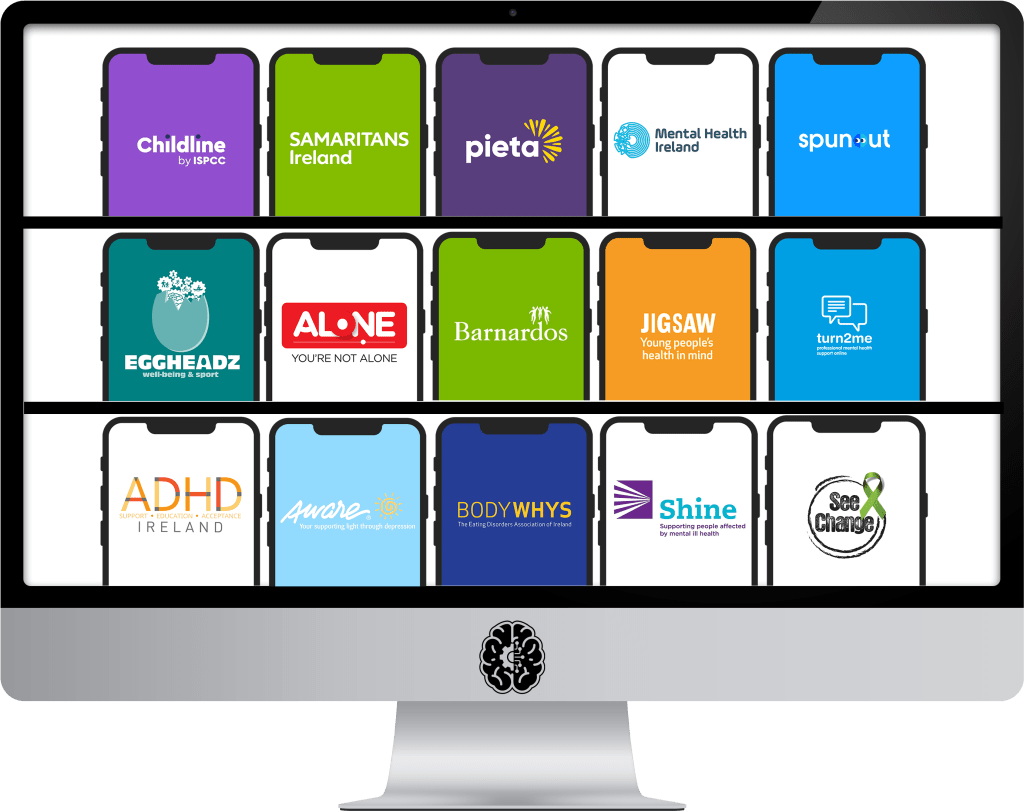
If you or someone you know needs mental health support I have a resources page below:
Stigma and Shame Don’t Get the Final Say
For many, shame is the biggest obstacle. The stigma around mental health can make people feel like their feelings are something to hide. But your pain isn’t a failure, it’s a signal. And just like physical pain tells us when something is wrong in the body, mental pain tells us it’s time to listen to our body.
Shame feeds on silence. But every time someone reaches out, the stigma weakens. You don’t have to carry your burden in the dark.
You Don’t Need All the Answers—You Just Need Support
You might not know what’s wrong. Maybe you’re constantly tired, anxious, or overwhelmed. Maybe your thoughts feel messy or hard to control. That’s okay. You don’t need to have it all figured out before seeking help.
Mental health professionals, support groups, and even understanding friends are there to help you process your thoughts and guide you toward clarity. You’re not expected to have a diagnosis before you speak up, you just need to say something.
Understanding Body Dysmorphia and Body Positivity
Body image struggles are more common than we think—and they don’t just affect one gender or age group. Body dysmorphia, in particular, can distort how someone sees themselves and make everyday life feel overwhelming. But again, you don’t need to be “brave” to talk about it.
Talking about body image openly, especially in safe spaces that promote body positivity, helps shift the narrative. No matter what your body looks like, your mental health matters.
Professional Help Is for Everyone—Not Just a Last Resort
Too many people view therapy as something you try only when everything falls apart. But professional help is like any other kind of support, it’s there to help you live better, not just survive the worst.
Whether you’re dealing with anxiety, depression, body image issues, or just struggling to cope, therapy and mental health resources can make a huge difference. You don’t need a breakdown to justify reaching out.
Healing Isn’t a Straight Line—But You Don’t Have to Walk It Alone
Recovery looks different for everyone. Some days you’ll feel strong. Other days you’ll struggle to get out of bed. That’s okay. What matters is that you know you don’t have to navigate this path alone.
With support—whether from friends, family, or professionals you can begin to process your thoughts, find hope, and start healing. You don’t have to do it all at once. You just have to start. And no, you don’t need to feel brave to do that.
A Reminder for Anyone Who Needs It
If you’re struggling right now, this is your reminder: You don’t need to be brave to ask for help. You just need to know that support is out there—and you deserve it. Whether you’re dealing with anxiety, body image issues, depression, or something else entirely, speaking up is a step toward healing.
Don’t wait for courage. Just start with honesty. Someone will be there to listen.
Follow Keith on Social Media
Discover more from The Endless Spiral
Subscribe to get the latest posts sent to your email.
 The Endless Spiral