
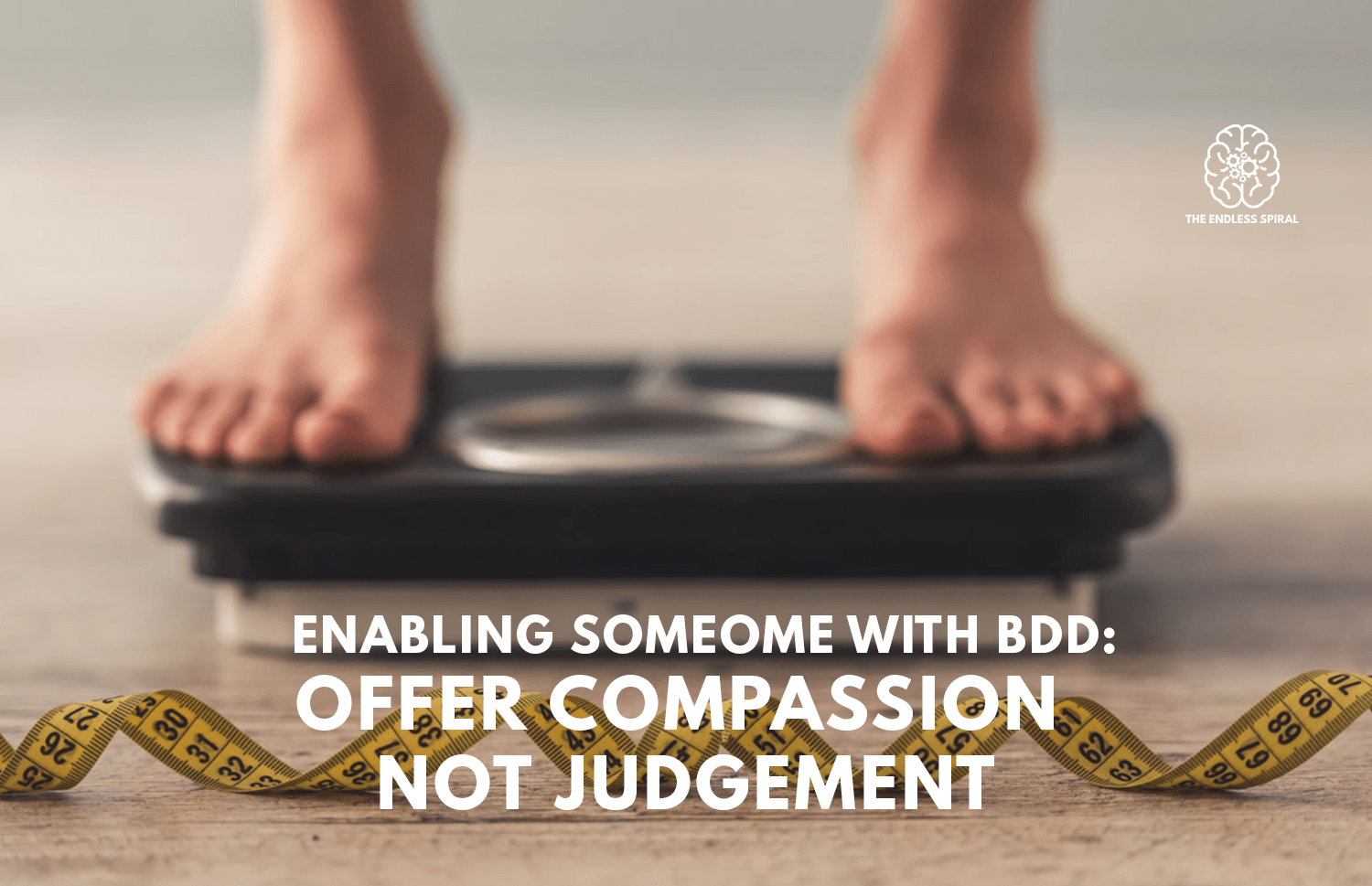

Body Dysmorphic Disorder (BDD) is characterised by a preoccupation with one or more perceived defects or flaws in appearance, which are unnoticeable to others. This perceived flaw is sometimes noticeable, but is usually a normal variation (e.g. male baldness) or is not as prominent as the sufferer believes.
Living with body dysmorphic disorder (BDD) for over 20 years has been a challenging journey to the say the least. I have faced numerous obstacles in managing my BDD and navigating daily life. I’ve written blogs, given dozens of interviews and even reordered episodes of my podcast The Endless Spiral on how BDD has impacted my life.
One aspect that significantly impacts my struggle now is the lack of understanding from those around me, particularly when it comes to people constantly offering me junk food, not understanding what Body Dysmorphia is and the stigma it comes with being a man. In this blog, I want to shed light on the profound effects of enabling behaviour and how it exacerbates the challenges of BDD as I continue to fight for my freedom away from this powerful disease.
The Complex Nature of BDD can be hard to comprehend for many. BDD is more than just dissatisfaction with one’s appearance; it is a deep-seated condition that permeates every aspect of life. From clothing choices to social interactions, BDD casts a shadow on daily decisions. Unfortunately, people often underestimate the severity of this disorder and fail to understand the impact it has on individuals like me. Remember it’s not just about your weight it’s also about how you perceive yourself and what potential flaw you think you have.
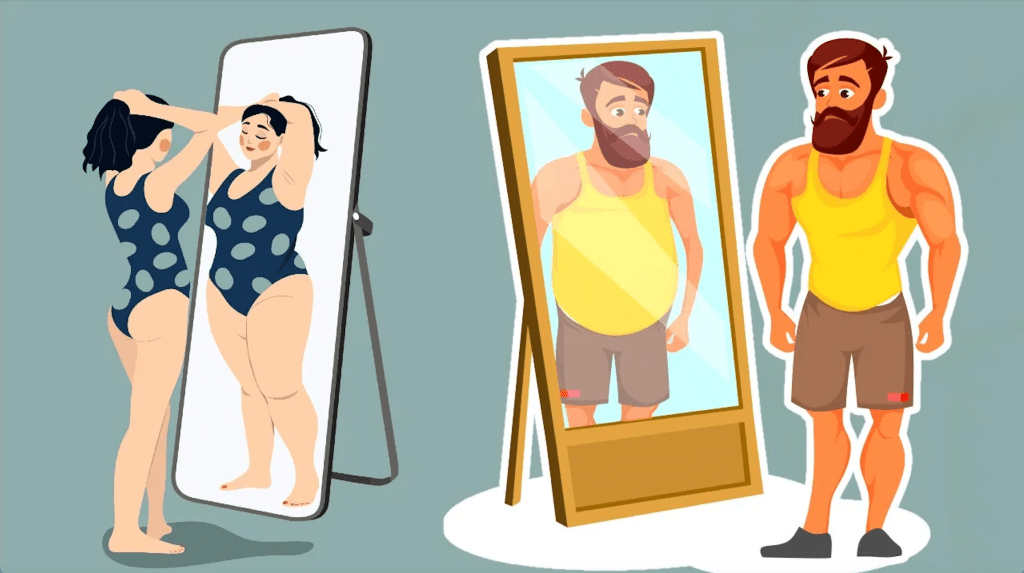
About 40% of sufferers say they focus on their perceived flaws for anywhere between 3 and 8 hours per day. A further 25% spend over 8 hours a day obsessing over their weight. That is mentally and physically exhausting.
One of the most disheartening aspects of BDD is the enabling behaviour of those who don’t fully understand the condition. It’s common for people to offer unhealthy food without realising the detrimental effect it can have. While their intentions may be well-meaning, it perpetuates the cycle of self-destructive behaviours and reinforces negative body image. I always say when I’m feeling stronger mentally and physically, I can handle situations better but when I’m not at my best, that’s why we need more empathy and a better understanding of the condition from people around us.
As someone struggling with BDD, the constant offering of unhealthy food becomes an immense source of frustration. It feels as though people don’t grasp the seriousness of the condition or take it seriously. I can’t help but wonder: if I were recovering from alcoholism or drug addiction, would people be more understanding? Would they offer substances that could harm my progress?
Raising awareness about BDD for me is crucial in helping people understand the condition better and hopefully gaining increased empathy. When people are educated about the complexities of the disorder, they can offer genuine support rather than unwittingly enabling harmful behaviours. By explaining BDD to those around us, we can create an environment where our struggles are acknowledged and respected.
While it’s disheartening when people don’t comprehend the impact of their actions, it’s important to seek support from those who do. Support groups, online communities, and mental health professionals can provide validation, guidance, and a sense of belonging. Connecting with others who share similar experiences is instrumental in breaking the isolation that often accompanies BDD.
Living with BDD is a constant battle, made more challenging when people unknowingly enable self-destructive behaviours through offering you unhealthy food or by assuming your feelings are transient. Our feelings should be validated not dismissed.
By raising awareness and fostering understanding, we can create a more supportive environment for individuals with BDD. Together, let’s break the cycle of misunderstanding and ensure that no one feels alone in their struggle with this complex disorder.
By Keith Russell.
To learn more about Body Dysmorphia check out the links below:
Follow Me On Social Media Below
Discover more from The Endless Spiral
Subscribe to get the latest posts sent to your email.
 The Endless Spiral
Thanks for the information Keith..it is very good to know .People men or wemon are not alone in this …thanks for sharing .