

The Power of Being Heard
For a long time, I thought being strong meant keeping things to myself. Not making a fuss. Not being “too emotional.” Not saying what was really on my mind. But the older I get, the more I realise something simple and uncomfortable at the same time: Most of us aren’t looking for solutions. We’re just looking for somewhere safe to speak to and someone to help us feel seen and heard.
We All Want a Safe Space
There is a huge difference between talking and being heard.
You can share something deeply personal and still feel completely alone if the person in front of you responds with judgement, defensiveness, or dismissiveness. That feeling when your words are brushed aside or misunderstood sticks with you longer than you’d like to admit.
People don’t want to be analysed like a problem to solve. They don’t want to feel like their emotions are an inconvenience or even called ‘drama’. They just want to say, “This is what’s affecting me,” and not feel afraid of being dismissed or ignored.
A safe space isn’t about agreeing with everything someone says.
It’s about letting them exist in their truth without fear.
And honestly, having even one person like that in your life can change everything.
Growing Isn’t Always Comfortable
If I’m being honest, growth has never felt easy or inspiring for me. It’s messy. It’s confronting. And sometimes it hurts your ego. Nobody wants to feel like they are failing.
There have been moments where I’ve been called out on things I didn’t want to admit about myself. My first instinct was to defend myself. To explain. To justify. To protect my pride as so many do. Its a common reaction.
But real self-discovery doesn’t happen when we’re comfortable.
It happens when we’re willing to sit with criticism instead of running from it.
When we stop seeing feedback as an attack and start seeing it as an opportunity to become better. Accepting criticism doesn’t mean you’re broken or ‘the bad person’. It means you’re brave enough to grow, for you, and for people close to you.
The Strength in Saying “Sorry”
For many people, the thought of apologising means losing power or control. Like saying “sorry” somehow makes them feel like they are handing over control to someone else.
But I’ve learned something important: Saying “sorry” is not weakness. It’s courage.
It takes real strength to admit you’ve hurt someone, even unintentionally. It takes maturity to recognise that impact matters more than intent. And it takes emotional honesty to choose connection over pride.
Sometimes, “I’m sorry” is not an admission of failure. It’s proof that you’re willing to grow. And growth is never something to be ashamed of.
Choosing Connection Over Defensiveness
I’m still learning how to listen better. How to not get defensive. How to stay present when conversations feel uncomfortable. It’s not easy. But it’s necessary.
Because we are all on our own journeys of self-discovery. We’re all carrying things we don’t always know how to express. And sometimes, the most healing thing isn’t advice or solutions. It’s someone who says: “I’m listening.” “I see you.” “I hear you.” “Your opinion matter.”
Maybe we don’t need to have all the right words. Maybe we just need to create more spaces where people feel safe enough to speak. Because being heard isn’t a luxury. It’s a human need. And sometimes, the most powerful thing we can offer each other is not answers. It’s presence.
When Silence Feels Safer Than Honesty
There’s something I don’t think we talk about enough: how often people stay silent, not because they have nothing to say, but because they’re afraid of what will happen if they do.
Afraid of being misunderstood. Afraid of conflict. Afraid of being labelled dramatic. Afraid of being told they’re wrong for feeling the way they feel. I’ve been there myself.
There were times when I knew something was bothering me, but I convinced myself it wasn’t worth bringing up. I told myself it was easier to stay quiet than to risk conflict. Easier to swallow feelings than to explain them. Easier to pretend everything was fine.
But silence has a cost.
When we don’t feel safe to express what’s happening inside us, those feelings don’t disappear. They just find other ways to show up, through anxiety, resentment, distance, or emotional exhaustion.
A safe space doesn’t magically fix everything, but it gives emotions somewhere to go instead of being buried alive.
Listening Without Trying to Win
One of the hardest things about communication is that most of us listen with the intention to respond, not to understand.
We’re already preparing our defence while the other person is still speaking. We’re looking for holes in their argument. We’re trying to protect our image rather than connect with their experience.
There’s a subtle difference between listening to reply and listening to understand. And that difference can determine whether someone feels safe with you or slowly pulls away.
When someone opens up, they’re not asking you to win an argument. They’re asking you to stay.
Sometimes the bravest thing we can do in a conversation is pause, breathe, and say: “Tell me more.”
Learning to Sit With Discomfort
Growth doesn’t usually arrive wrapped in motivation quotes or dramatic breakthroughs. More often, it shows up as discomfort.
It’s that feeling when someone points out something about you that you’d rather not see. It’s the moment you realise you’ve hurt someone without meaning to. It’s the quiet awareness that maybe, just maybe, you’re not always right. I’ve had to confront parts of myself that I didn’t like.
Moments where you realised that your defensiveness was actually fear. That your silence was actually avoidance. That your certainty was sometimes just insecurity in disguise.
Accepting criticism in those moments felt like standing in front of a mirror I didn’t ask for. But here’s what I’ve learned: If we refuse to look at ourselves honestly, we also refuse the chance to grow. We can’t demand understanding from others while refusing to understand ourselves.
Apologies as Bridges, Not Defeats
I used to think apologies were transactional. If I said sorry, I thought I was losing something. If I admitted fault, I thought I was giving someone leverage.
But over time, I’ve realised that apologies are not about power. They’re about connection.
When you say “sorry,” you’re not handing over control. You’re building a bridge where there could have been a wall.
Some of the most meaningful moments in relationships, friendships, families, partnerships, come not from being right, but from being honest.
There’s something deeply healing about hearing someone say: “I didn’t realise how that affected you. I’m sorry.”
Those words don’t erase the past, but they change the future. And sometimes, saying sorry is less about the other person and more about who you want to become.
The Conversation With Students That Stayed With Me
When I recently spoke to students about self-worth, I didn’t want to give them another lecture about confidence or positivity. I wanted to tell them something real.
I told them that self-worth is not something you earn by looking a certain way. It’s not something you gain by being liked by everyone. It’s not something you lose because your body doesn’t match a trend. Your worth is not cosmetic. It’s human.
We talked about how easy it is to tie your value to appearance, achievement, or approval, especially in a world that constantly measures you.
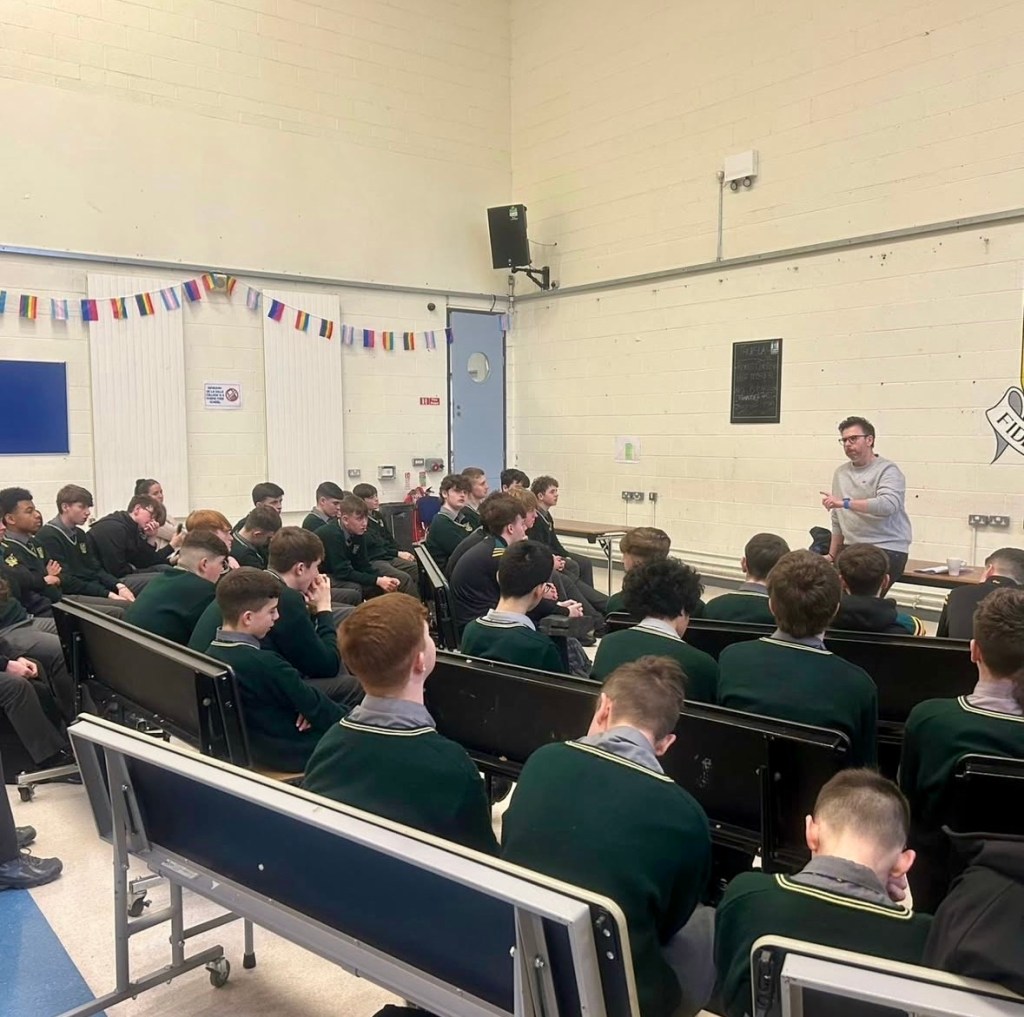
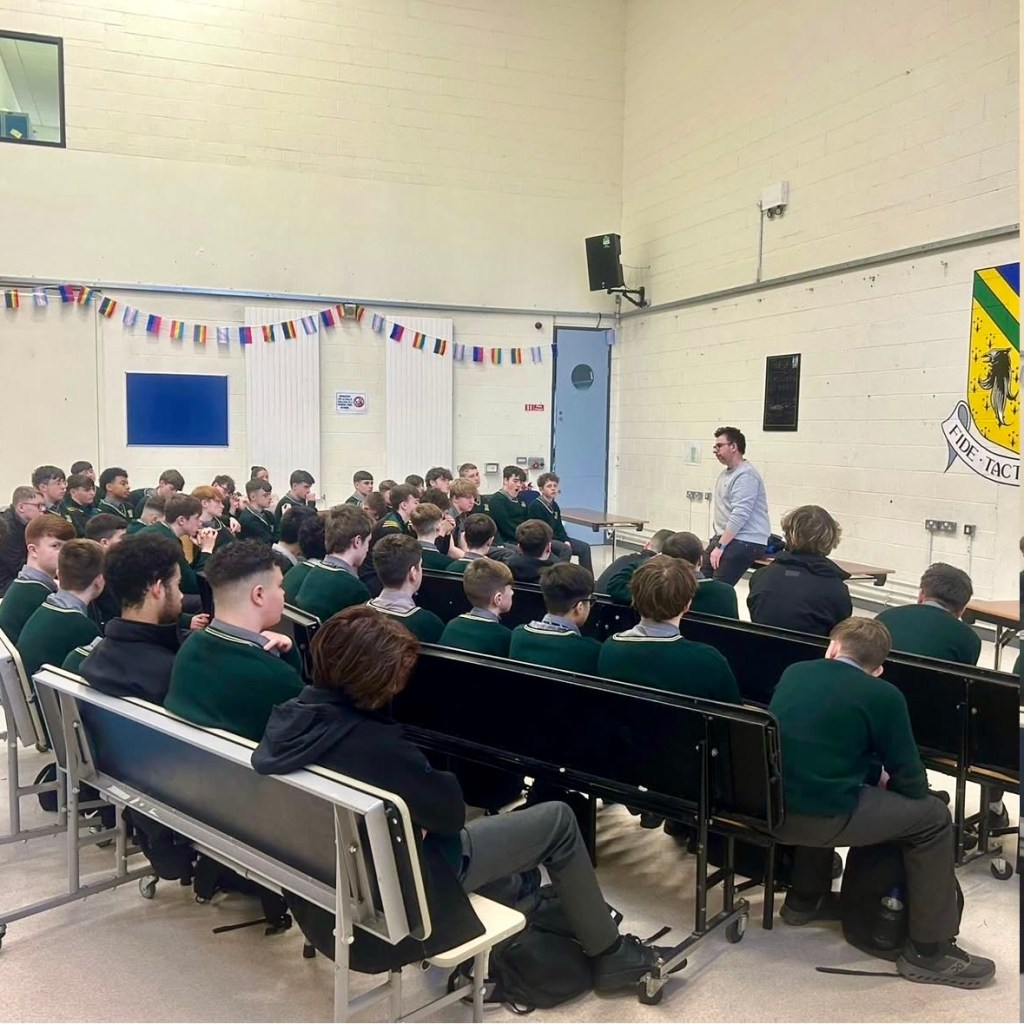
And then we talked about relationships. I told them that one of the most important things they could look for in their lives isn’t popularity or perfection, but safety.
People who respect their opinions. People who don’t laugh at their vulnerabilities.
People who don’t shut them down when they speak.
I also said how important it is to have people in their lives who respect their opinions. People who don’t silence them. People who don’t make them feel small for having feelings. And I said something that felt simple, but heavy at the same time:
As I was speaking, I realised something: Adults are not that different from teenagers. We crave the same things. We fear the same rejection. We long for the same sense of being seen.
Why Being Seen Matters So Much
Being seen is not about being noticed. It’s about being understood.
It’s about someone recognising your emotions without trying to minimise them.
It’s about having your experiences validated instead of questioned.
When someone feels unseen, they start to doubt themselves. They question whether their feelings are legitimate. They wonder if they’re asking for too much.
But when someone feels seen, they soften. They open. They trust. And trust is the foundation of every meaningful relationship.
The Courage to Be Vulnerable
We often romanticise vulnerability, but in reality, it’s terrifying. Being vulnerable means risking misunderstanding. It means letting someone see parts of you that you’d rather keep hidden. It means admitting that you don’t always have it together.
But vulnerability is also where connection is born. You can’t build intimacy while wearing emotional armour. You can’t feel close to someone if you never let them see you.
A safe space is what makes vulnerability possible. And vulnerability is what makes relationships real.
Creating Safe Spaces Starts With Us
It’s easy to say we want to be heard. It’s harder to admit that we don’t always know how to hear others. Creating safe spaces isn’t about having perfect communication skills.
It’s about intention.
It’s about choosing empathy over ego. Curiosity over defensiveness. Presence over distraction. It’s about noticing when someone is trying to tell you something difficult, and resisting the urge to shut them down. Sometimes the most powerful thing you can say in a conversation is not advice, but reassurance:
“You’re allowed to feel that way.”
Still Learning, Still Growing
I don’t have this figured out. I still get defensive sometimes. I still struggle to articulate my feelings. I still find it uncomfortable to admit when I’m wrong.
But I’m learning. I’m learning that growth is not about perfection. It’s about honesty. I’m learning that being strong doesn’t mean being silent. It means being brave enough to speak and humble enough to listen.
And maybe that’s what safe spaces are really about. Not fixing each other.
Not winning arguments. Not proving points.
But walking beside each other while we figure ourselves out. Because in the end, most of us aren’t asking for answers. We’re asking for someone who will stay. Someone who will listen. Someone who will say, without judgement: “I hear you.”
Follow Keith on Social Media
Discover more from The Endless Spiral
Subscribe to get the latest posts sent to your email.
 The Endless Spiral